
Troubleshooting
Posting too much online can expose you to hidden risks beyond just embarrassment. These 10 dangers of oversharing on social media reveal how your digital footprint may be silently compromising your privacy, security, and even personal safety.
Identity theft through location tagging
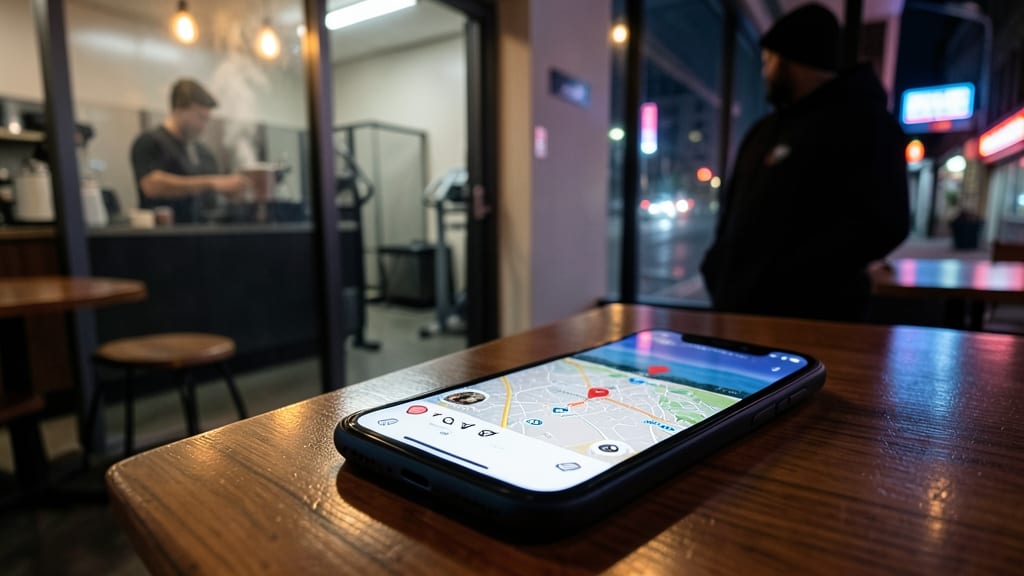
Your smartphone’s location tagging might seem harmless, but it’s a goldmine for criminals tracking your daily habits. Every time you post from a coffee shop, gym, or home, you’re broadcasting your routine—making you an easy target for stalkers or burglars who can predict when you’re alone.
Most social platforms enable geotagging by default, and even "deleted" location data can linger in third-party apps or metadata. Stalkers use tools like Google Maps timelines or social media scraping bots to map your movements, while burglars monitor posts to confirm when you’re away. A single vacation photo with a timestamp can signal an empty home for weeks.
This risk isn’t just theoretical—43% of burglars admit to using social media to case homes, per a 2023 University of North Carolina study. If you’re concerned, disable location services for apps, review old posts for hidden tags, and use private browsing when sharing sensitive updates. 💻
Employment discrimination from career posts

Your dream job application could be silently rejected before HR even sees it—thanks to AI-powered screening tools scanning your social media for red flags. Many companies now use algorithms to filter candidates based on subtle clues like age, gender, or political views hidden in your posts.
These systems analyze profile photos, captions, and even "likes" to detect biases—like a 40-year-old woman being flagged as "too old" for a startup role or a liberal candidate automatically excluded from conservative-leaning firms. LinkedIn’s recruiter insights and Applicant Tracking Systems (ATS) often integrate with third-party tools like HireVue or Pymetrics, which prioritize candidates whose digital footprints align with company culture—even if unintentionally.
Job seekers in competitive fields (tech, finance, media) should audit their profiles for accidental disclosures, like graduation dates revealing age or volunteer work hinting at political leanings. A simple tweak—like removing geotags, birth years, or controversial content—can keep your application in the running. 💻
Blackmail material from personal stories
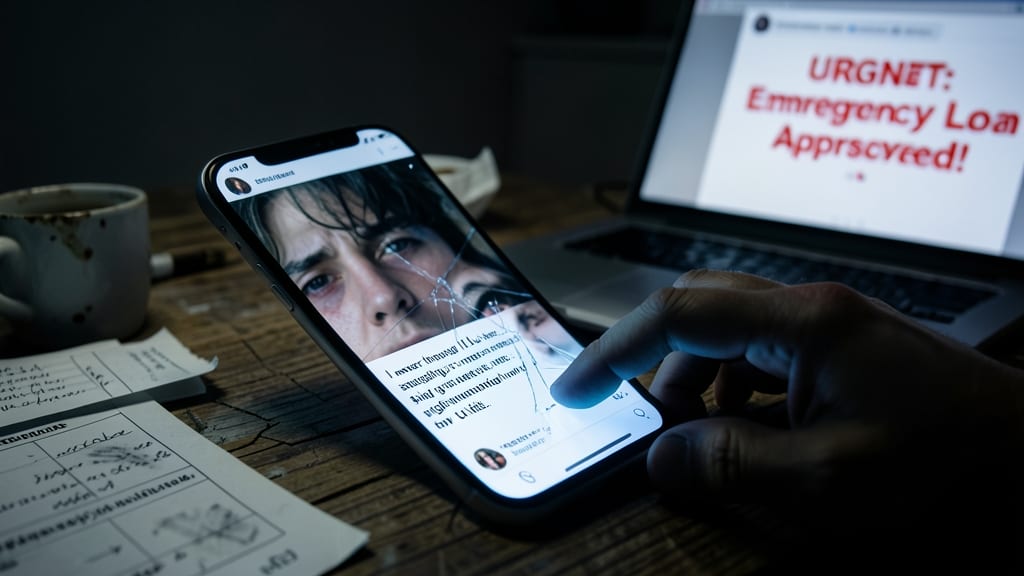
That heartfelt post about your struggling relationship or financial hardship might seem cathartic—but it could also be a goldmine for cybercriminals. Once they have personal vulnerabilities like these, attackers can weaponize them with targeted threats, from fake "emergency loans" to fabricated scandals.
Cybercriminals often scour platforms for emotional posts (e.g., breakups, illnesses, or job losses) to craft convincing blackmail schemes. Tools like AI-powered deepfake audio or social engineering (posing as a concerned friend) make these threats harder to detect. Even seemingly harmless details—like your favorite childhood pet’s name—can be used to bypass security questions.
This risk isn’t just for celebrities; anyone sharing unfiltered personal stories is vulnerable. Parents, small business owners, and even students should audit their posts for exploitable details before hitting "share." 💡
Home security risks from vacation photos

The moment you post that "perfect vacation shot" of your empty living room, you might as well leave a neon sign for burglars. Criminals use vacation photos to confirm your absence, scout your home’s layout, and plan targeted break-ins—often while you're still jet-lagged halfway across the world.
Burglars monitor social media for real-time updates like check-ins, flight tags, or posts with timestamps. A single photo of your unlocked front door or empty driveway gives them the perfect window (literally) to strike. Even "private" posts can be scraped by bots—70% of break-ins happen within 24 hours of a vacation announcement, according to FBI data.
Homeowners, renters, and even Airbnb hosts should disable location services, wait 24 hours to post, and use smart home cameras with motion alerts. A little delay in sharing can save you from a nightmare. 💻
Financial scams using life event posts
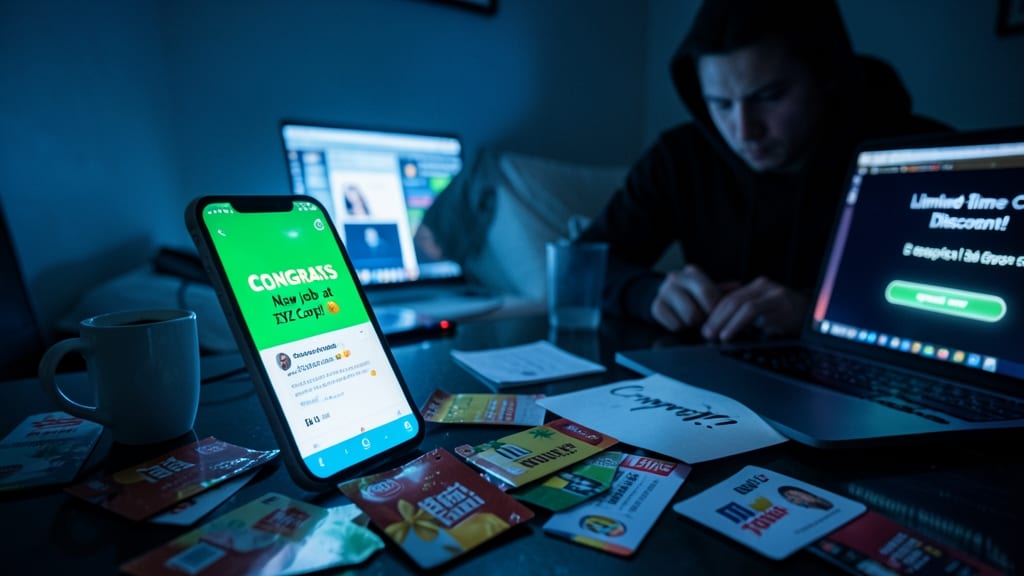
Celebrating life’s big moments online—like announcing a pregnancy, graduation, or new job—can trigger a wave of financial scams disguised as congratulatory offers. Scammers exploit these posts by posing as vendors selling "special" products or services, then demand upfront payments through gift cards, wire transfers, or cryptocurrency.
These schemes often involve fake congratulatory packages (e.g., "limited-edition baby gifts" or "graduation discounts") that require immediate payment. Victims may also receive phishing links disguised as delivery confirmations or "exclusive" offers. The FBI reports a 40% increase in these scams during major life events, with losses averaging $1,200 per victim.
Parents, graduates, and new employees are prime targets—always verify unexpected messages through official channels. Double-check URLs and never share payment details via DM. 💡
Legal consequences from controversial opinions
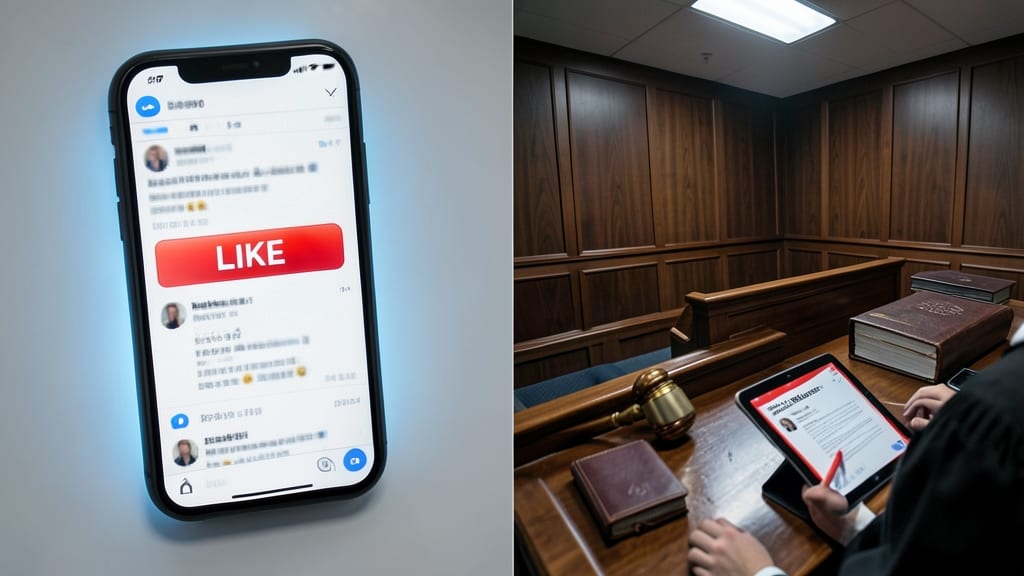
Your political or religious posts could accidentally become evidence in legal battles—even if you never imagined they’d matter. Courts and employers now routinely subpoena social media accounts during custody disputes, workplace investigations, or discrimination claims, turning casual opinions into high-stakes legal ammunition.
For example, a 2023 study by the Pew Research Center found that 37% of employers admit to checking candidates’ social media during hiring, while child custody cases increasingly hinge on digital footprints. Even a single controversial tweet can trigger HR investigations or legal subpoenas, forcing you to defend your views in court. Platforms like Facebook and LinkedIn now flag "sensitive" content, but that doesn’t stop it from being used against you.
If you’re in a high-stakes profession (law, politics, HR) or involved in family law matters, tightening privacy settings isn’t enough—consider auditing old posts and using anonymous accounts for sensitive discussions. One wrong post could resurface years later. ✨
Phishing attacks using personal details
Ever thought your birthday post could be used against you? Cybercriminals don’t just send generic phishing emails—they craft hyper-personalized messages using your pet’s name, childhood nickname, or that inside joke only your family gets. These details make their scams far more convincing and harder for spam filters to detect.
Attackers gather these clues from your social media, then mimic a trusted contact (like a colleague or friend) to trick you into clicking malicious links. For example, a fake "urgent document" email might reference your dog’s name or a shared memory from years ago. Even two-factor authentication (2FA) codes can be bypassed if the attacker sounds like someone you know. Studies show these spear-phishing attacks succeed 65% of the time—far higher than generic scams.
Small business owners and remote workers are especially vulnerable, as attackers often impersonate vendors or HR reps. Always verify unexpected requests via a separate channel—like calling your bank directly—before clicking anything. 💡
Relationship damage from oversharing
When your partner’s social media posts reveal secrets, lies, or questionable behavior to mutual friends, the damage isn’t just emotional—it’s a digital trust breach with real-world consequences. Imagine a private argument resurfacing in a group chat or a secret affair exposed in a tagged photo. These overshares don’t just hurt feelings; they create permanent digital evidence that can escalate conflicts or even end relationships.
Most platforms offer audience control tools like Facebook’s “Close Friends” lists or Instagram’s private story sharing, but many users overlook them. A 2023 study found that 68% of couples who experienced trust issues cited social media as the trigger, with geotagged posts and direct messages being the most damaging. Even seemingly harmless details—like vacation plans or late-night check-ins—can be weaponized by exes or manipulative acquaintances.
If you’re in a relationship, audit your privacy settings and consider using third-party apps like SocialShield to monitor posts before they go live. The key is proactive privacy—because once it’s online, it’s out of your control. ✨
Insurance fraud risks from health posts
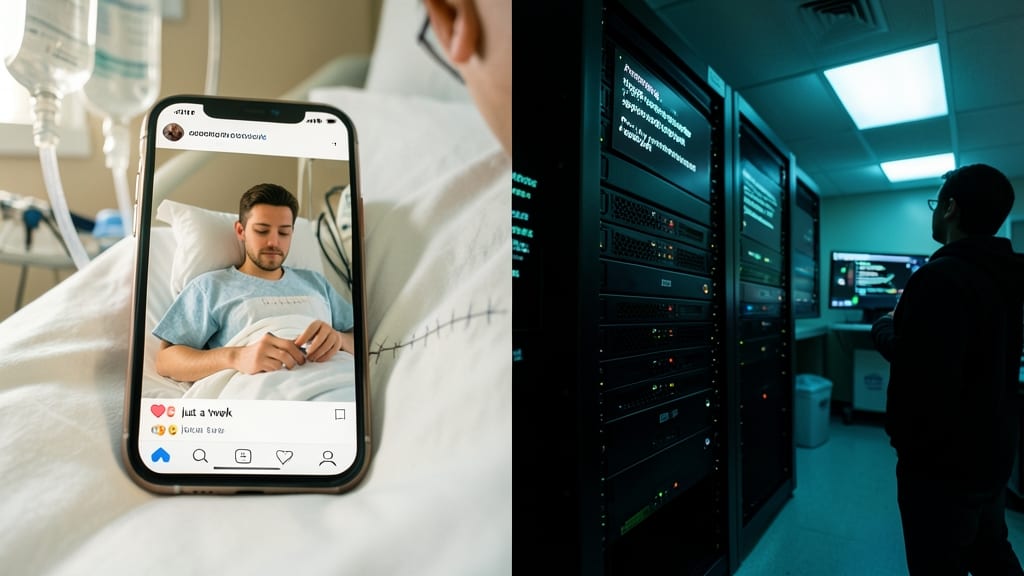
That "just a minor injury" post might cost you more than you think. Insurance companies now use AI-driven social media monitoring to flag pre-existing conditions or injuries you’ve disclosed publicly, potentially voiding policies or hiking premiums.
Even seemingly harmless updates—like a back surgery recovery or chronic pain management post—can trigger audits. Some insurers cross-reference your claims with public posts, assuming silence means no prior issues. A single #HealthStruggle hashtag could turn into a red flag for fraud detection algorithms.
If you’re managing a condition or recovering, keep health updates private. Adjust your privacy settings to friends-only or avoid medical details entirely—your wallet (and coverage) will thank you. ✨
Social media addiction from constant validation
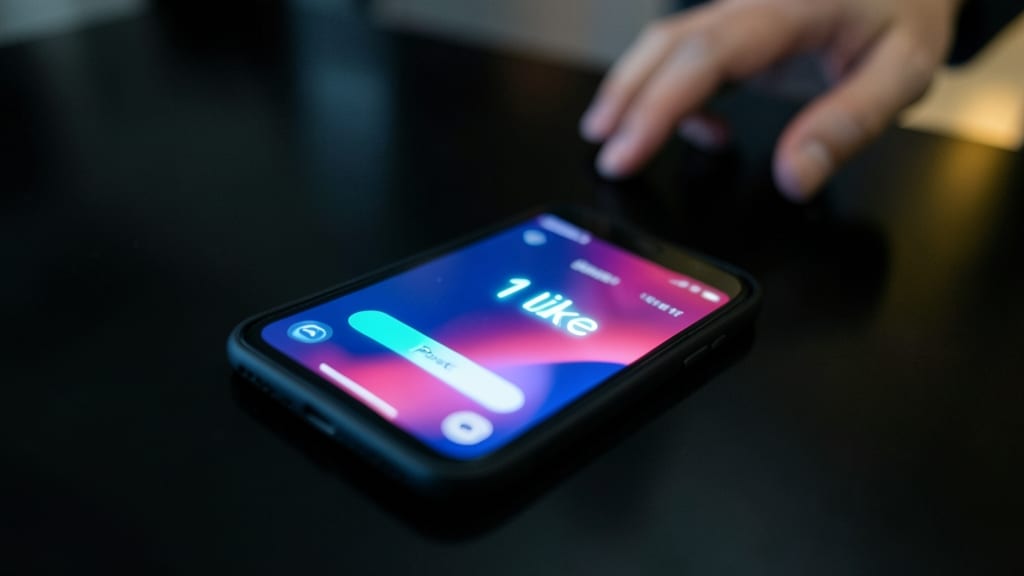
Ever noticed how your phone feels lighter when you skip posting—only to panic when your likes dip? That’s the dopamine-driven feedback loop of social media, designed to hijack your brain’s reward system. Studies show platforms like Instagram and TikTok use variable reward algorithms (similar to slot machines) to keep you scrolling, with notifications triggering the same neural pathways as $100 bills.
The problem isn’t just time wasted—it’s the psychological dependency that rewires priorities. Your brain starts craving virtual validation over real-world connections, making it harder to focus on work, hobbies, or even conversations. Tools like Digital Wellbeing (Android) or Screen Time (iOS) can track your usage, but the real fix? Manual detoxes—like deleting apps temporarily or using grayscale mode to reduce visual temptation.
This isn’t just about procrastination; it’s a modern addiction with measurable consequences. If you’ve ever ignored a call because you were mid-post or felt anxious after a low-engagement day, you’re already in the cycle. The good news? Awareness is the first step—digital boundaries are just like fitness routines: small, consistent changes make all the difference. ✨